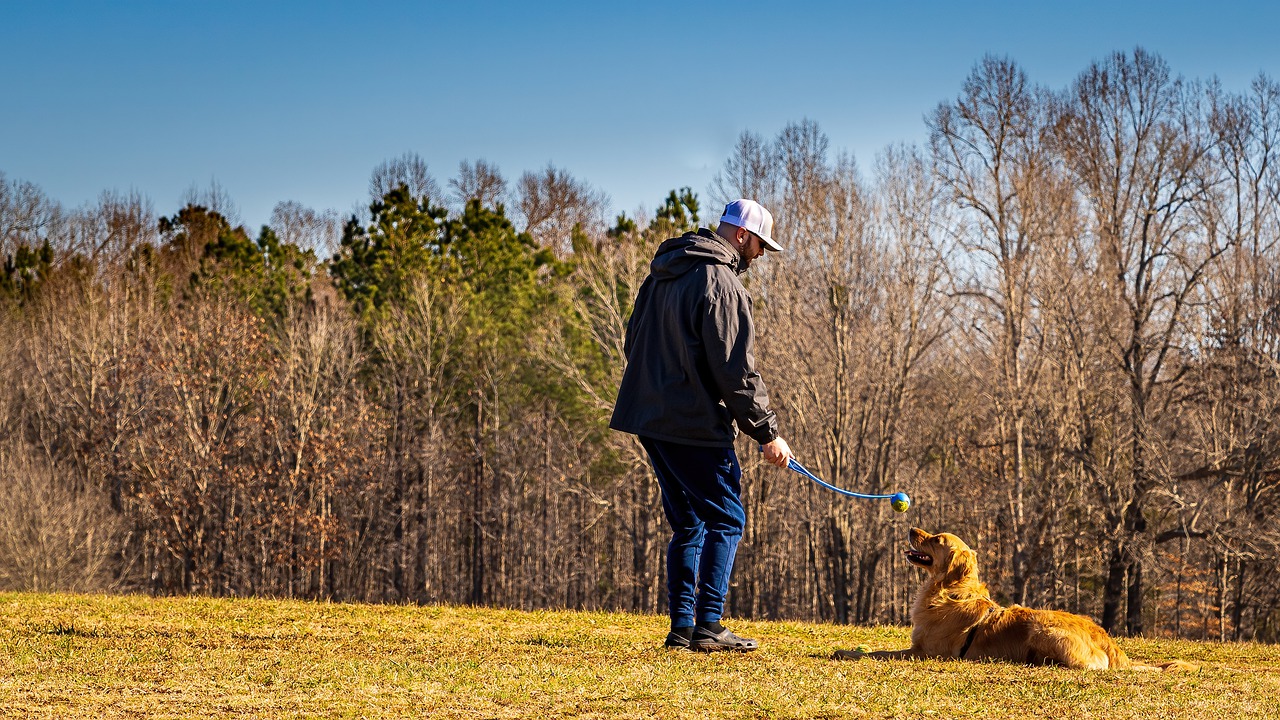
Is your pup or dog ready to be trained? Good training and socialization are essential for your puppy or dog. Dog training should start as early as possible to know how to sit, stay, come, go to their crate, and go potty outside. Moreover, it is something just about anyone can do.
It can be overwhelming to train a dog, especially if it is your first. In reality, though, training a dog is a massive undertaking. But you’ll find that the task is far less intimidating if you go step by step. To get you started, here are some tips:
Before training your dog, learn how to set a basic foundation.
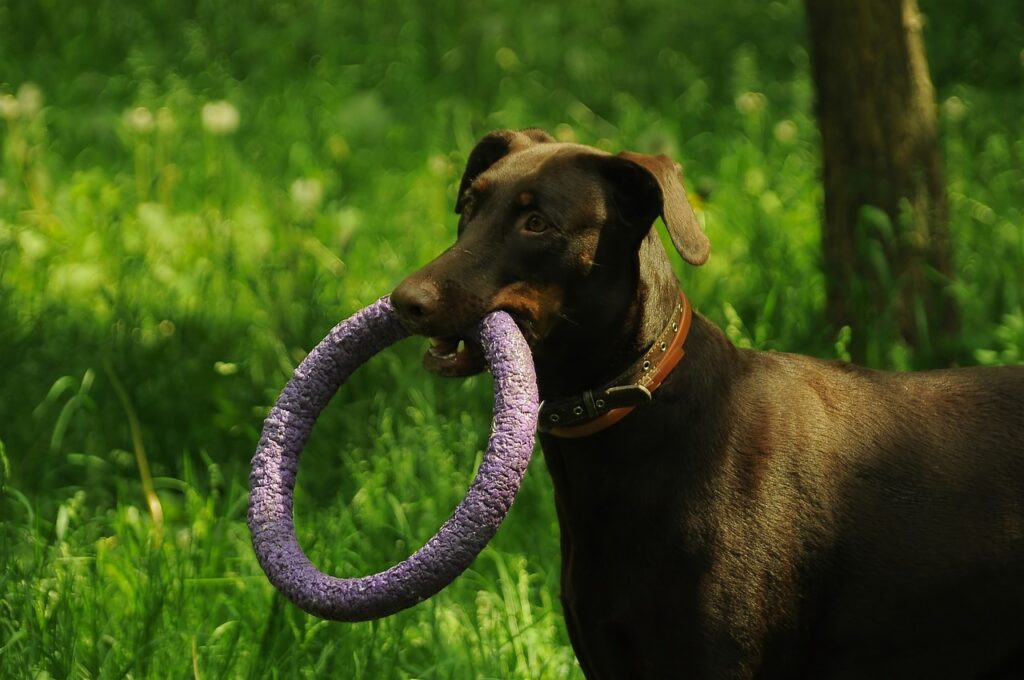
Fun Ways to Train Your Dog: Your dog should enjoy the process of training! We all know that learning is more accessible when having fun, so incorporate some games into your dog training regimen.
Scheduled training: In about six weeks, you can teach your dog the basics using this schedule.
Positive reinforcement: Training a dog using positive reinforcement is one of the best ways to make sure it retains the learned information.
Tip
Are you looking for assistance with dog training? A dog trainer may be of help to you. Consider taking group classes or private lessons, and you can find cheap dog training tips here.
House Training and Crate Training
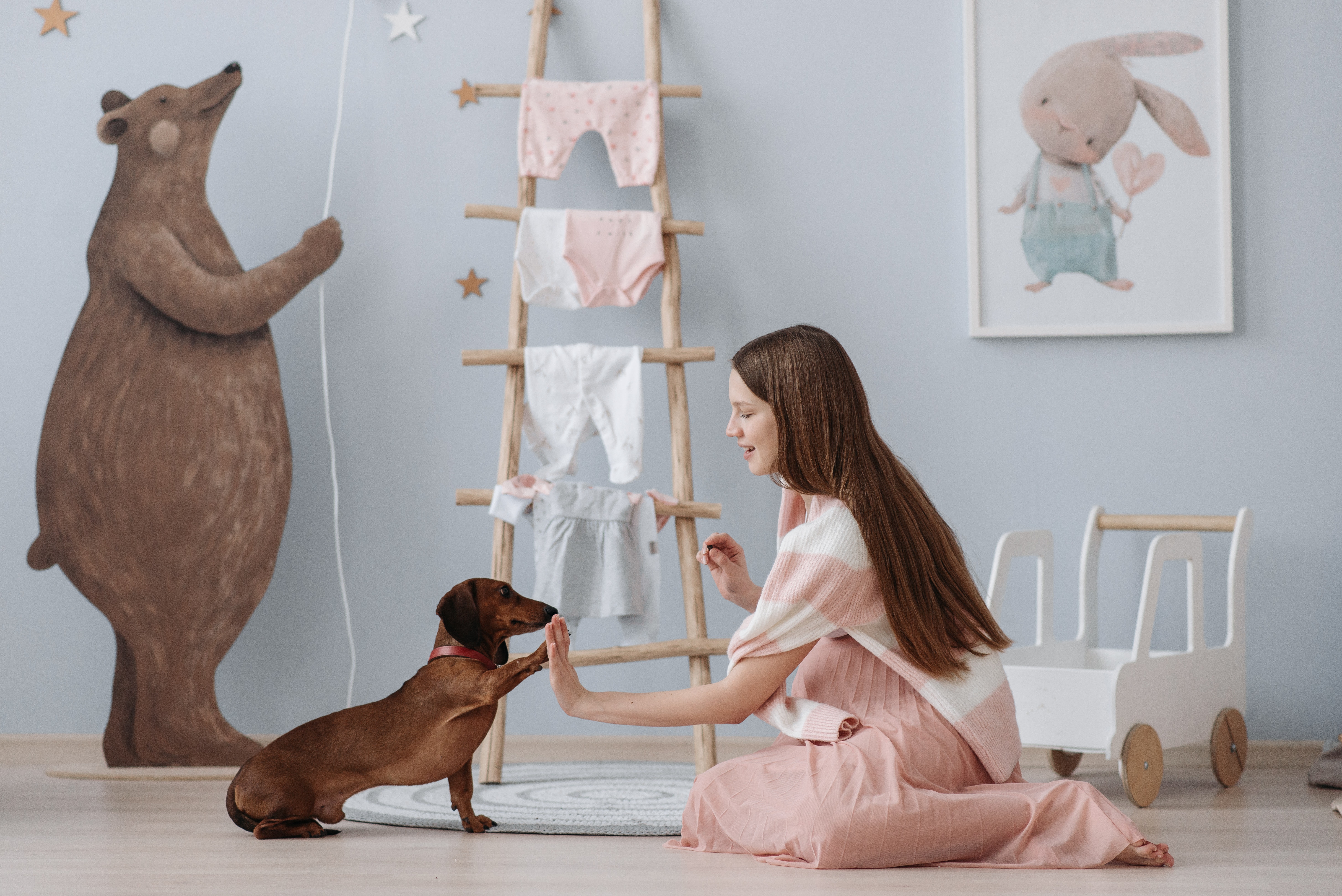
As long as you don’t intend to keep your dog outside–and it’s not recommended–you will have to teach him where to eliminate it. Thus, house training (also known as housebreaking or potty training) should be your dog’s first task. Crate training can be a valuable part of the training process. In addition to house training, there are many other aspects to consider:
Here is some basic information on crate training dogs and puppies. You will not only be able to housebreak your dog, but you will also be able to give your dog a place to call its own.
If you look at it from a practical perspective, house training your dog is not that complicated, but it does not mean that it is easy. The key to housebreaking is consistency and diligence.
Excitement/Submissive Urination: There might be a bigger problem if your dog is still making messes in the house even after housebreaking. When your dog gets excited or feels submissive, he may urinate.
Puppy and Dog Leash Training
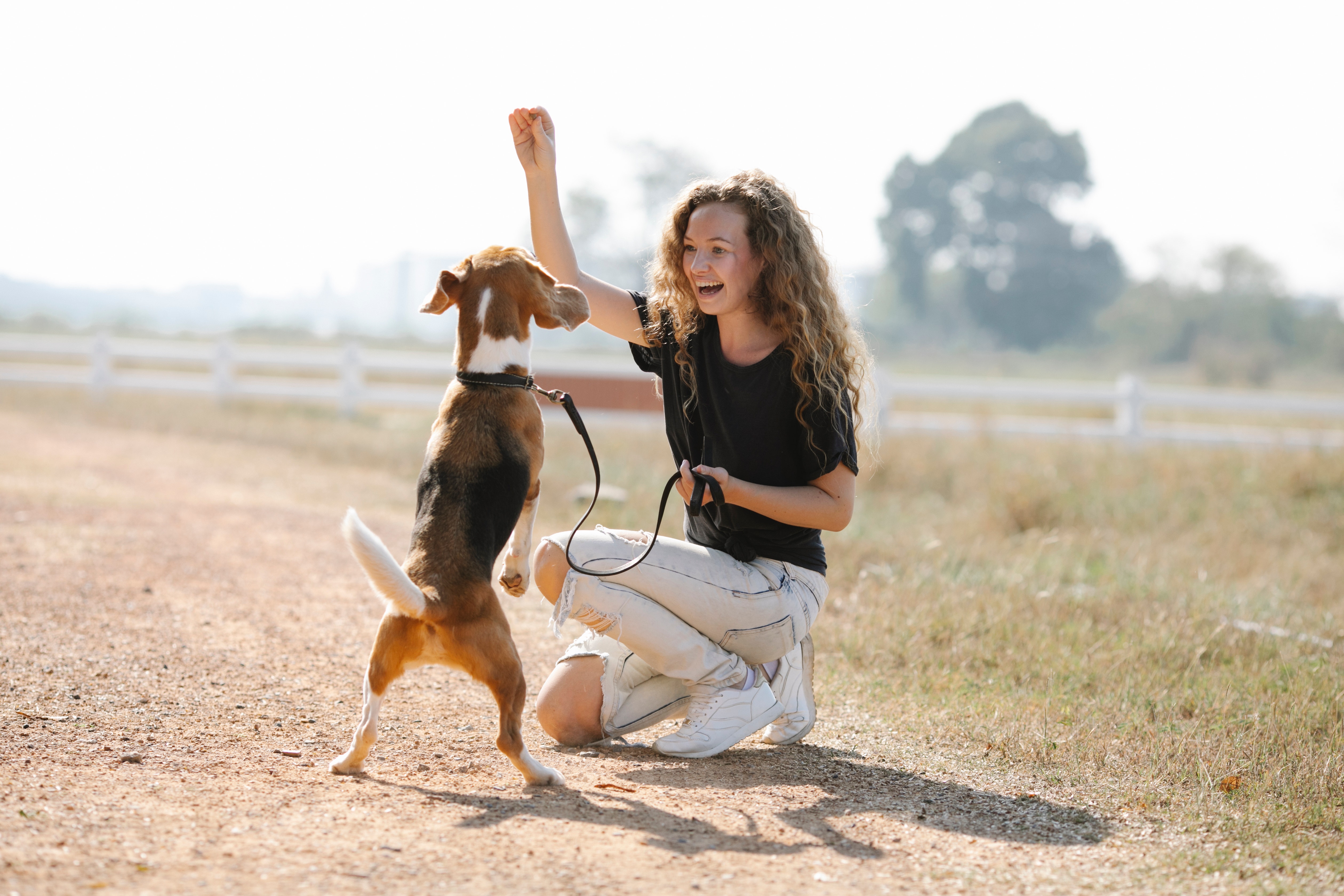
Leash walking is an essential skill for dogs. A leash is not only required by most local laws, but your dog will need it at times just for his safety. You can teach your dog how to walk on a leash properly, even on a bike, by introducing him to the leash at a young age. Then, when you walk your dog on a loose leash, he will learn not to pull or lunge, giving you and him a more enjoyable experience.
Socializing Puppies and Dogs
You can socialize your puppy or adult dog by exposing him to new people, animals, and places. It has been found that socialized dogs tend to have fewer behavioral problems and are generally more accepted by others. A positive social experience can also prevent phobias and fears from developing.
As a result, socializing with your pup or dog will make him a happier, more well-behaved dog.
Training dogs with clickers
A simple and effective dog training method is clicker training, a type of positive reinforcement. Even though you can still train your dog without a clicker, many people find it helpful. Using a clicker training system, you can teach your dog all sorts of basic and advanced commands and tricks. In addition, training your dog with a clicker is quick and easy.
Commands and Tricks You Need to Know
Dogs should know a few basic tricks and commands like come, speak, drop, stay and back up. This provides a structure for your dog. Also, they will help keep your dog safe and assist with common dog behavior problems.
Here’s how you can teach your dog to stay
The best part of training your dog is showing off his tricks! Adding dog tricks to your dog training will enhance your dog’s mental stimulation and take your training to the next level.
Behavior Proofing and Troubleshooting
When your dog learns any new behavior, proofing is the last step. Ensure your dog is as obedient at the park or your friend’s house as at home by proofing his behaviors.
Just because you have reached the end of the training doesn’t mean you won’t encounter behavior problems. Find out the most common dog behavior problems and how to resolve them. These guides will help you navigate this part of the training process:
Proving behavior: Practice behaviors in various situations with diverse levels of distraction. For example, if you fail to proof your dog, he may behave well in your living room but forget all his training outdoors.
Self-Control: This method teaches your dog to earn food and attention by obeying. This leads the dog to think that nothing in life is free.
Behavior Problems: Identifying and resolving behavior problems in dogs can be as simple as understanding potential issues.
Management Versus Training: Dog training and behavior management are not mutually exclusive, although they are two different things. Good behavior management should be included in every dog training program.
Advanced Training For Dogs
You can consider more advanced tricks after your puppy has mastered the basics. Your dog will remain active, fit, and mentally stimulated by doing these activities. Furthermore, they will contribute to strengthening your bond with your dog.
Keep in mind that training is a continuous process. There will never be a finish line. You should continue training your dog on obedience throughout his life. A person who learns a foreign language at a young age but stops speaking that language may forget much of it as they grow older. The same applies to your dog: you use it or lose it. Even the simplest tricks and commands will remain fresh in your dog’s mind if you practice them often. Plus, it’s a great way to spend time with your dog.